Plaque Psoriasis
Plaque psoriasis is the most common type of psoriasis - it is estimated that up to 90% of people with psoriasis have this type.
About plaque psoriasis
Most people with psoriasis have
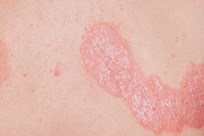
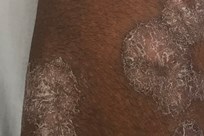
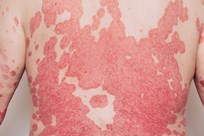
plaque psoriasis, either alone or in combination with another type. It causes red raised patches of flaky skin covered with silvery scales (known as plaques), that may feel itchy. Plaques can vary in size from a few millimetres to several centimetres. On lighter skin tones, these plaques usually look red or pink while on more diverse skin tones, they may look purple or dark brown, and the scales can appear grey.
Plaques have clear edges, so you can easily see and feel where the psoriasis stops and normal skin starts. For some people the plaques will be thin whereas for others they are much thicker.
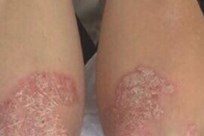
Plaque psoriasis may appear symmetrically and can occur anywhere on the body, although often in areas such as the backs of the elbow and the fronts of the knees. The lower back and top of the buttocks is another common site for large plaques. Some people get plaque psoriasis on the hands and feet, which can make everyday activities difficult as it is easily irritated and prone to cracking.
How is plaque psoriasis treated?
Plaque psoriasis can occur more or less anywhere on the body, but psoriasis on the palms and soles, or in areas where skin touches skin (such as in the armpits or genitals) is usually a different type. Different types of psoriasis – or psoriasis on different areas of the body – may need different treatments.
A large variety of treatments can be
used to treat plaque psoriasis, depending on how severe the condition is, the
age of the individual, and how much success they have had with other
treatments. The range includes topical
treatments, UV Therapy, systemic and biologic medications.
Reviewed August 2026.