03 November 2026
Psoriasis Awareness Week – Living with psoriasis aged 60+
In later life, psoriasis can come with a number of co-morbidities – these include Psoriatic Arthritis, heart disease, diabetes and mental health.
However, results from a Kings College London study revealed that psoriasis severity actually tends to decrease with age, particularly after 60 years old, with the lowest severity observed in individuals over 80 years old. Responses to open-ended questions highlighted changes in psoriasis appearance, including smaller plaques and reduced redness, scaliness, and itchiness, along with a shift from widespread to localised disease.
If you want to get involved in the latest research, take a look at the studies currently available!
Below, we have included some information on some of the most common psoriasis comorbidities for people aged 60+:
Psoriatic Arthritis
Psoriatic arthritis (PsA) is an inflammatory condition of the joints which can cause pain and swelling in affected joints and areas with tendons and ligaments, which may lead to stiffness and reduced movement.
Although having psoriasis means you are more at risk of developing psoriatic arthritis, it is not always linked to how severe your psoriasis is. People with mild or moderate psoriasis can also develop psoriatic arthritis, which is why it is important to be aware of the symptoms.
Have a look at our information leaflet on psoriatic arthritis for more information.
Diet and nutrition
 Click to enlarge
 Click to enlarge
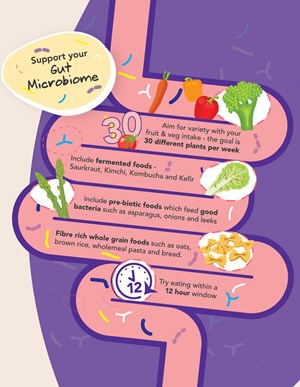
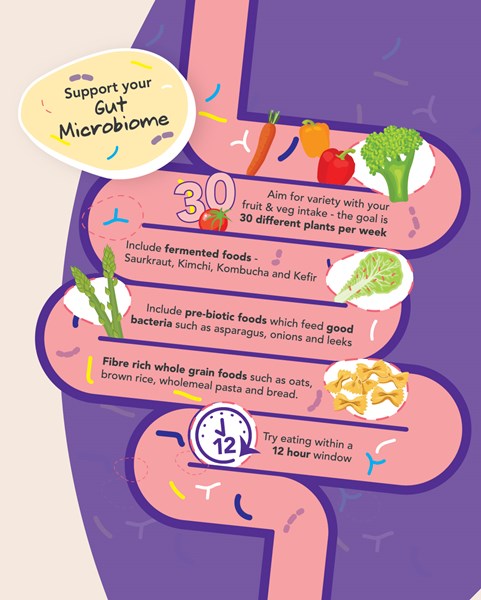
To combat the associated risk of heart disease and diabetes that can come with having psoriasis and psoriatic arthritis, it’s important to prioritise diet and nutrition.
Research is growing to show that what we eat may play a role not only in managing symptoms, but also in supporting our overall health and any related conditions. Earlier this year, the findings of a recent study into diet and psoriasis, conducted by one of our PhD students, was published in the European Journal of Nutrition.
We have also partnered with Dr Thivi Maruthappu (@drthivimaru), the UK’s first dual-qualified dermatologist and nutritionist, to produce an infographic all about diet and nutrition. The resource espouses a Mediterranean diet and also features examples of food groups that should be increased or decreased.
Mental health
It is accepted that stress can both trigger psoriasis and make existing psoriasis worse, and a large proportion of people with psoriasis do think that stress affects their psoriasis. If someone feels overwhelmed and unable to cope – with their psoriasis, other aspects of their life, or both – they should certainly discuss this with their GP, who may be able to help.
As part of our awareness week celebrations last year, Psychologist Dr Catherine O'Leary, shared a mindfulness exercise with us, that even involves eating some chocolate!
Need advice or support?
There are now more ways than ever to access support from Psoriasis UK – whether you need a listening ear on the phone, or would feel more comfortable sending a quick message on WhatsApp, here’s how you can get in touch with us:
Call - 01604 251 620
Email mail@psoriasis-association.org.uk
WhatsApp - 07387 716 439
Helpline hours: Monday to Friday, 9am to 4pm